
Buying your first home is similar to buying a second-hand car. It might be all good on the outside however, the real issues lie under the bonnet.
In property terms, that ‘bonnet’ is your inspection report. And for that, you need to have a property inspection checklist.
This article provides you with inspection report tips and guidance on how to protect your hefty investment.
1. What Inspectors Look For
Let’s understand the types of inspections associated with a property.
1.1 Building Inspection
The inspectors carefully check the foundations, walls, ceilings, floors and roofs to ensure everything is intact.
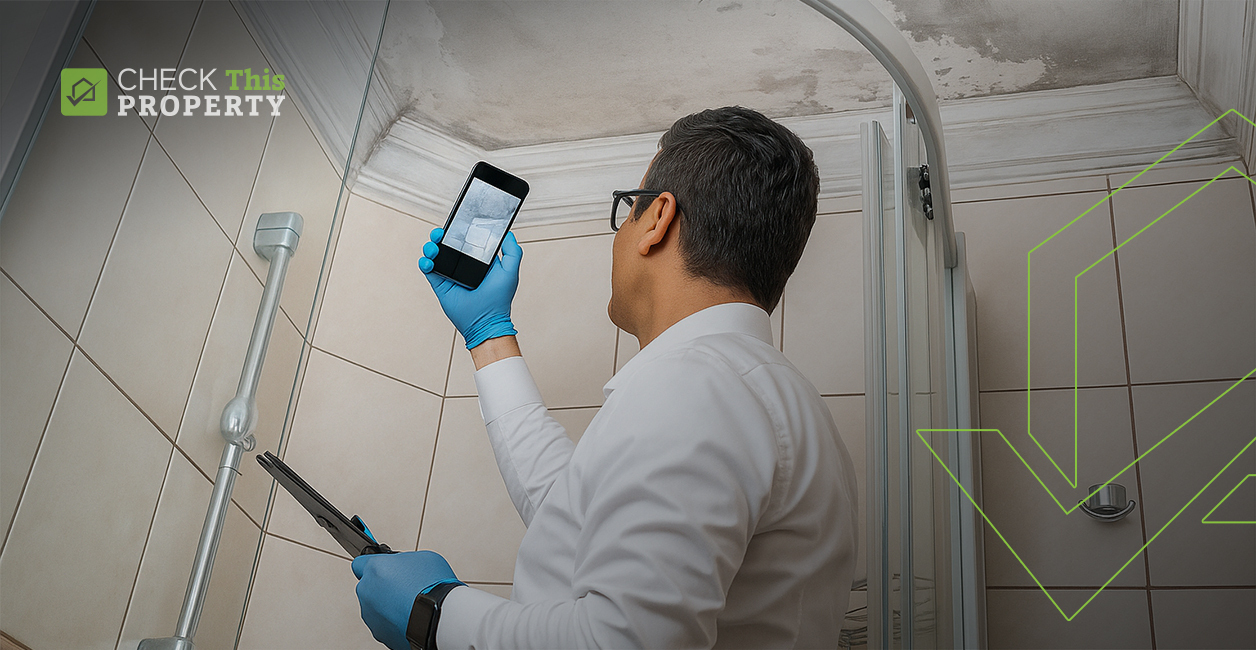
A wall might be hiding water damage behind its well-finished paint. Inspectors are well-equipped with moisture meters, and their eyes are trained to detect such issues.
What inspectors look for:
- Cracks in walls or ceilings
- Rising damp along brick walls
- Leaky or water-stained roof
- Asbestos in older homes
- Violation of building codes
1.2. Pest Inspections
Termites infest your home quietly and eat away at the timber for years.
What inspectors look for:
- Mud trails along walls or piers
- Hollow-sounding timber
- Sagging floors
- Rodent droppings
- Insect nests in roof cavities
A beforehand inspection can save you hundreds of thousands of dollars if signs of past infestations occur.
1.3. Strata Reports
If you are buying an apartment or townhouse, these reports are its X-ray report. It gives you an idea of how well the building is managed and an estimate of future costs.
What inspectors look for:
- Reserve funds for repairs and upgrades
- Upcoming charges for major works
- Disputes between owners or with the strata manager
- Maintenance plans and insurance coverage
2. Your Property Inspection Checklist
The professional inspector will do his job. However, keep yourself cautious and vigilant. This property inspection checklist enables you to assess the property’s structure before you purchase it.
2.1 Water Damage
Damages due to water stay hidden behind tiles, under carpets, and inside walls.
Checklist items:
- Mismatched tiles in bathrooms indicate past repairs done
- Damp spots behind showers or under sinks
- Repainted the walls in just one room. It might be to cover up previous damage
- Soft timber or bubbling paint near balcony doors
- Discoloured walls are an indication of rising ground moisture.
2.2 Electrical Hazards
Faulty wiring is dangerous and can also void your insurance.
Checklist items:
- Test all power outlets. You can do it even with your phone charger
- Turn on the stoves and ovens for a minute or two
- Look for non-standard fittings. It may be an indication of exposed wires
2.3 Plumbing Problems
Flawed plumbing is inconvenient, leading to greater headaches in future.
Checklist items:
- Water pressure in taps and showers
- Drainage speed in sinks and baths
2.4. Structural & Exterior
The outside of a property has lots of stories to tell. You just need to give an ear, here eyes.
Checklist items:
- Look for cracks or movement of pillars/piers under the house
- Check for uneven surfaces on driveways and paths. It might be a sign of sinking ground
- Does fencing require repairs or an entire replacement?
- Look for sagging roofs or missing tiles
- Check for rusted gutters
- The presence of mud tubes and hollow timber is a sign of termite infestation
2.5. Legal & Compliance
Unapproved property leads to fines or forced demolition.
Checklist items:
- Check that the granny flats, sheds or extensions are Council-approved
- Get confirmation from the local Council
- Ask for building certificates or occupancy permits
2.6 Hazardous materials
Older homes may contain materials risky for humans and pets as well.
Checklist items:
- Asbestos in ceilings, walls, or flooring
- Flaking paint or brittle sheeting, especially in homes built before the 1990s
3. Inspection Report Tips for Buyers
Here are a few tips to get the most from your property inspection report.
3.1 Maximising Value
Study the inspection report thoroughly. Understand what aspects are covered and what are not. If you are doubtful about anything, ask the inspector directly.
You might see photos, moisture readings and severity ratings included in the report. Use these to assess urgency. These inspection report tips help you justify your investment wisely.
3.2 Negotiation Tool
Any leak, termite damage, or any other issue provides you with a tool to negotiate smartly. With the inspection report in hand, you can:
- Request repairs before settlement
- Ask for a price reduction
- Delay the purchase until issues are resolved
3.3 Deny and Walk Away
Many times, the cost of repairs may exceed the cost of purchasing the property. In such cases, the best way is to deny the offer and look for another property.
Active or past termite infestations, major structural problems or illegal additions are red flags. Never compromise on these until you get a fair deal.
Conclusion: Buy Smart, Not Sorry
Professional inspections + personal checks = a complete property picture.
A strong property inspection checklist helps first-home buyers in NSW:
- Minimise financial risks
- Negotiate with confidence
- Make informed decisions
Before you sign anything, make sure you’ve looked under the hood. Your future self will thank you.
FAQs
Que 1. What does a standard inspection include?
A stand inspection includes: building structure, roof, plumbing, electrical system, moisture, pests and safety features.
Que 2. How to interpret inspection findings?
Go ahead with a property that demands minor faults. If the cost of repairing the damages is much more, the property isn’t worth it. If you are doubtful about any finding, do not be afraid to ask questions to the inspector.
Que 3. Can a bad report let me walk away?
Yes. In case of a bad report, the smartest way is to walk away.